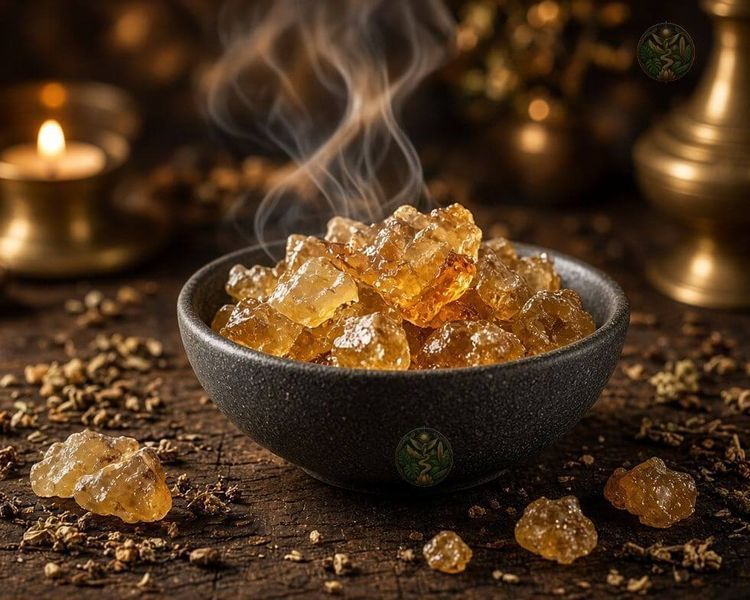
White Copal Resin Aroma Incense
White Copal Resin (Copal Blanco) is a natural aromatic resin from the Copal tree, traditionally used as a natural incense, incense, meditation, ritual, and space fragrance.
Copal has a long history of use in Mesoamerican cultures. The resin from trees in the Bursera genus was collected and burned as an incense during ceremonies, prayers, offerings, and cleansing practices. The name copalli comes from the Nahuatl language and means incense or aromatic resin.
White Copal, or Copal Blanco, is valued for its light, clean, and fresh aroma with light woody, balsamic, and citrus notes.
What is Copal Resin, White Copal Resin?
White Copal Resin is a hardened natural resin obtained from trees in the Burseraceae family, specifically various species of the Bursera genus. Depending on the origin and specific species of tree, the appearance and aroma of copal can vary.
In Mexican tradition, Copal Blanco is particularly famous - white copal, which is traditionally harvested in regions of Mexico and used as an aromatic resin.
In its dry form, copal resin is small, solid pieces that melt when heated and emit aromatic smoke.
That is why copal resin for incense is an interesting alternative to ready-made incense sticks or cones.
What is Copal resin used for?
Fragrant smoke can be used to create a special atmosphere in a house, apartment or other room.
In Mesoamerican traditions, copal was used to cleanse and prepare sacred space.
Used for meditation - it helps create a special aromatic atmosphere when you want to separate yourself from the everyday hustle and bustle and focus on your practice.
Copal has a special meaning in traditional ceremonies in Mexico and Central America.
It was used as a ritual incense and offering, and fragrant smoke was perceived as a way to address the spiritual world.
How is White Copal different from Frankincense?
Frankincense and Copal are different types of aromatic resins.
- Frankincense is primarily associated with Middle Eastern, African, and Christian ceremonies.
- Copal has particularly close cultural ties to Mexico, Mesoamerica, and Central American traditions.